A Perspective on Women’s Health: Listening to the Body, Supporting the Whole Woman
Women’s health is entering a long-overdue era of openness, science, and collaboration. Conversations that were once whispered—or ignored altogether—are now being brought into the light through community events, films, and expert panels that center women’s lived experiences alongside medical insight.
Recently, I had the opportunity to participate in two powerful experiences that reflected this shift: moderating a panel discussion on burnout and women’s physiology, and participating in an evening screening and discussion of The (M) Factor 2: Before the Pause, a documentary focused on perimenopause and the broader conversation around hormonal health.
Together, these experiences offered a meaningful perspective on what women’s bodies are asking for right now—and how medicine and community can better respond.
Reframing Burnout: It’s Not a Personal Failure
One of the most important themes that emerged from moderating the women’s panel was the need to reframe how we talk about burnout.
Many women are doing everything “right.” They exercise, prioritize nutrition, stay engaged in their careers and families, and actively seek ways to maintain their health. Yet despite these efforts, many experience persistent fatigue, irritability, brain fog, sleep disruption, and a growing sense that something isn’t quite right.
Too often, women are told this is simply stress, aging, or something they should manage better. But burnout is not a personal failure -- it’s information -- the body’s way of signaling that the nervous system, hormones, and lifestyle demands are no longer aligned.
Continuing the Conversation: The (M) Factor 2 Screening
During the recent community gathering centered on the screening of The (M) Factor 2: Before the Pause, we had an open dialogue about hormones, aging, and the changes women experience as they move toward menopause.
A central message echoed throughout the evening - women are not broken during midlife—they are evolving. This stage often brings heightened self-awareness, stronger boundaries, and a renewed focus on personal well-being.
The Power of Women Supporting Women
Both events reinforced another important truth: women’s health improves when community and conversation exist alongside clinical care.
When women share their experiences openly, patterns become visible. Isolation decreases. Knowledge spreads.
Equally important is the role of collaborative practitioners—professionals who work across disciplines to support women through complex physiological changes rather than viewing symptoms in isolation.
This model of integrative care—where hormonal health, nervous system regulation, lifestyle factors, and emotional well-being are considered together—represents an exciting direction for the future of medicine.
Moving Forward with Awareness and Empowerment
Women only experience these transitions once in their lives. Understanding them can transform what might feel confusing or overwhelming into an opportunity for growth and renewal.
Whether the conversation centers on burnout, hormonal shifts, or midlife health, the message remains the same:
Listening to the body is not falling behind.
It is moving toward alignment.
As more spaces emerge for education, dialogue, and collaboration, women are gaining the tools they need to navigate these transitions with clarity and confidence.
And perhaps most importantly, they are discovering they don’t have to do it alone.
Because when women support one another—and when healthcare begins truly listening—the path forward becomes not just manageable, but empowered, purposeful, and deeply life-affirming.
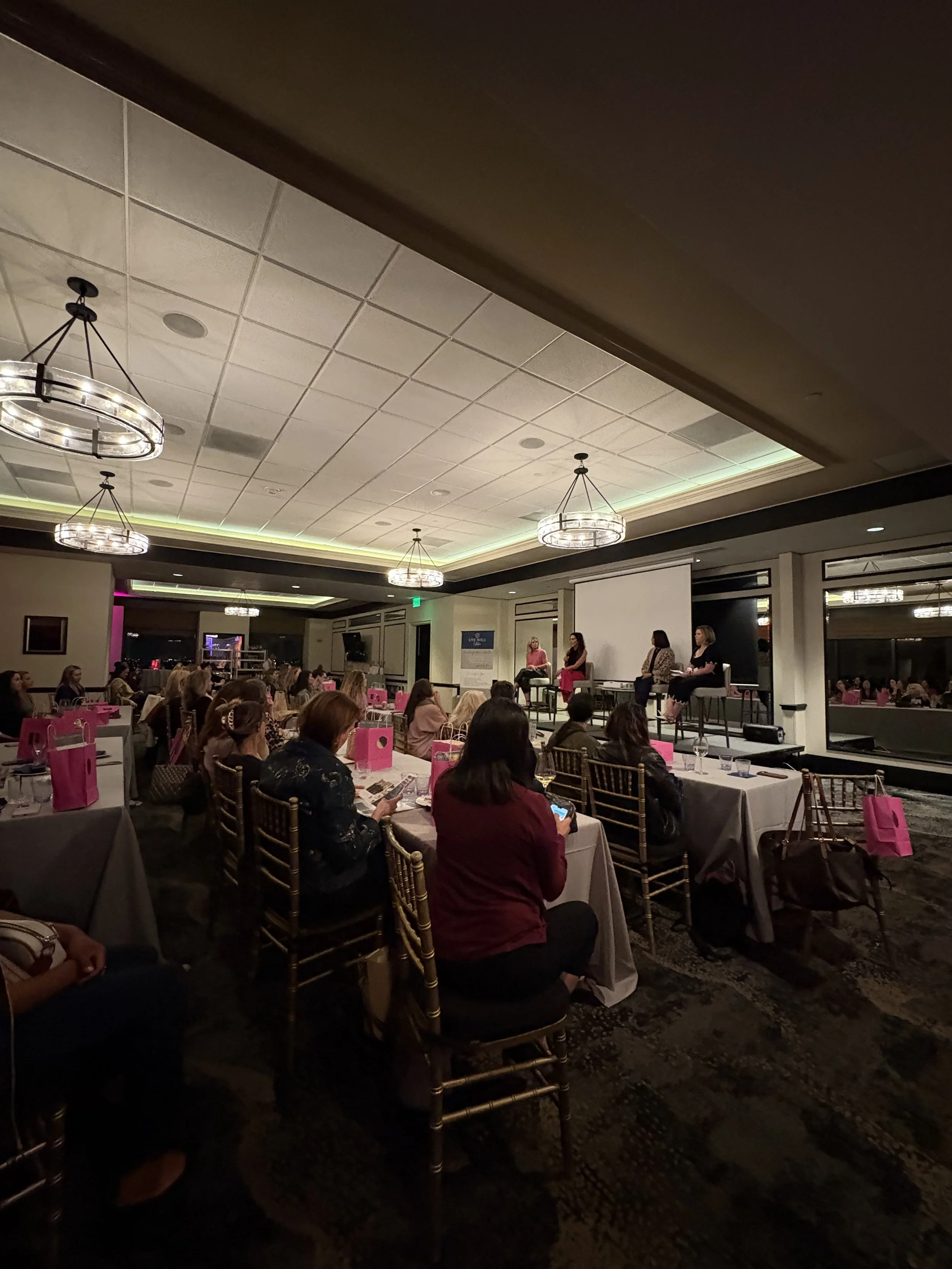
Perimenopause Panel
An evening screening and discussion of The (M) Factor 2: Before the Pause, a documentary focused on perimenopause and the broader conversation around hormonal health.
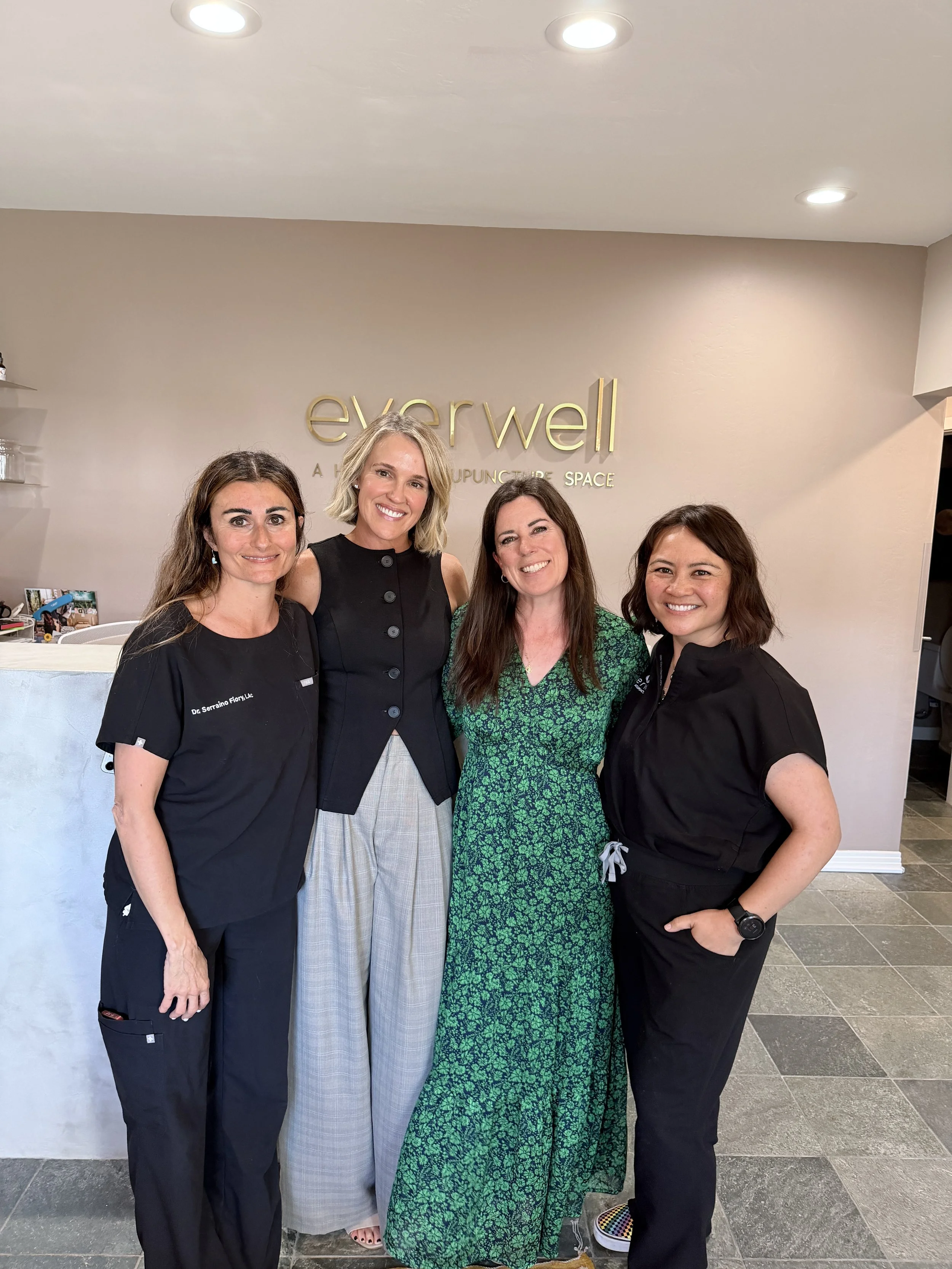
Women’s Burnout Panel
A panel discussion on burnout and women’s physiology with (left to right) Dr. Francesca Serraino Fiory (LAc, LMT), Kim Tootell, Helen Stearns (DNP), and Dr. Robin Jones (LAc).